Loading...
FREE SHIPPING | 3-YEAR WARRANTY ON ALL MACHINES
Loading...
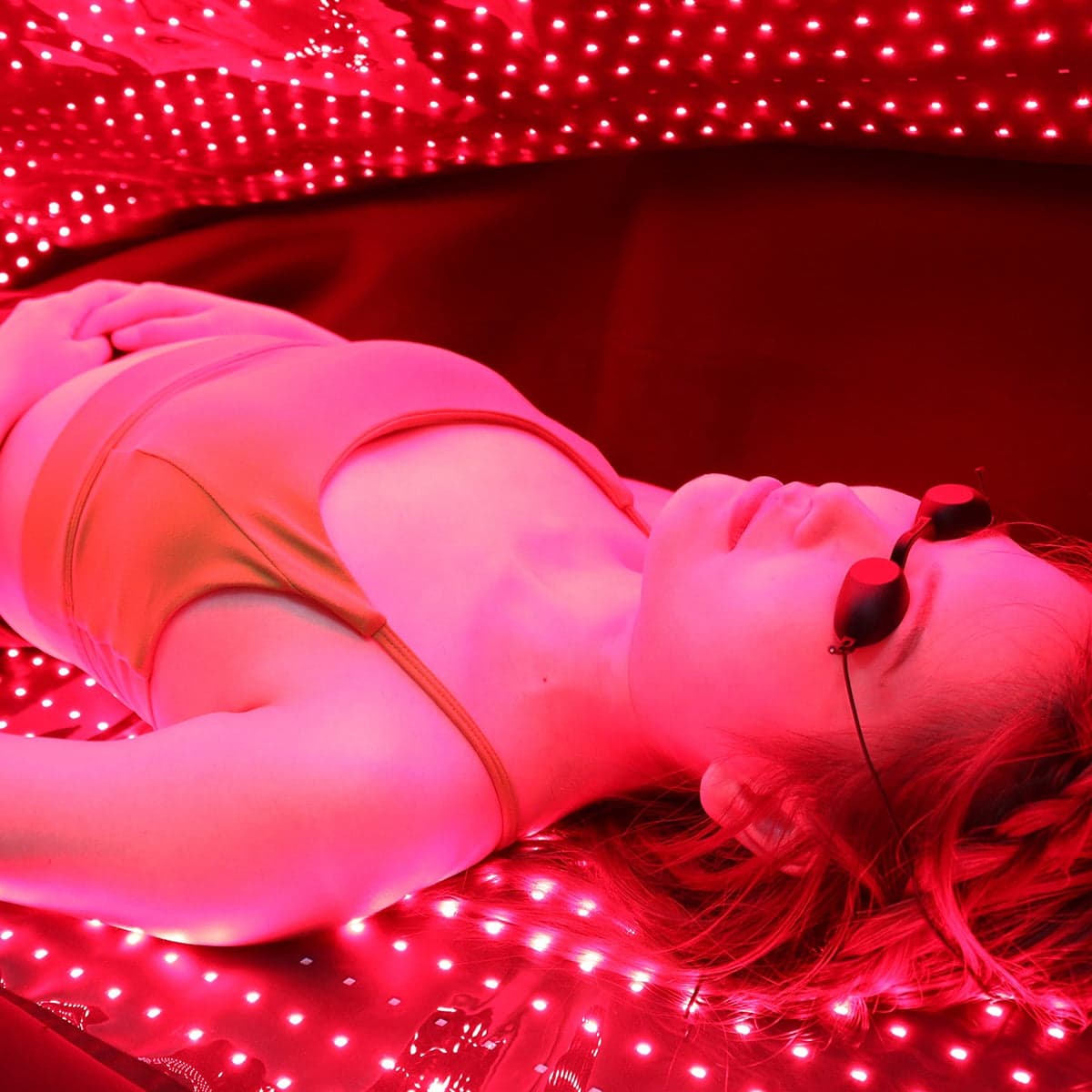
Photobiomodulation (PBM) is the process by which low-level red and near-infrared light energises the mitochondria of cells, boosting their energy production (ATP). It is the science behind LED therapy and cold-laser treatment.
Photobiomodulation (PBM)—formerly ‘low-level laser therapy’—is the non-thermal process in which specific red (around 630–660nm) and near-infrared (around 830–850nm) wavelengths are absorbed by an enzyme called cytochrome c oxidase inside cellular mitochondria.
That absorption boosts the production of ATP, the cell’s energy currency, and modulates signalling molecules like nitric oxide and reactive oxygen species. The downstream effects—well documented across red-light and cold-laser research—include increased collagen synthesis, reduced inflammation, improved microcirculation and faster tissue repair. Crucially, PBM stimulates rather than destroys, so it is gentle, non-thermal, suitable for all skin tones and free of downtime.
PBM is the unifying mechanism behind LED panels and masks, cold-laser (LLLT) devices and the photobiomodulation modes built into many combination platforms.
PBM does not wound the skin—it simply powers up the cells' own energy factories and lets them do the repair.
Photobiomodulation (PBM) is the non-thermal process by which red and near-infrared light energises cellular mitochondria to boost ATP, collagen and repair—the science behind LED light therapy and cold-laser (LLLT) treatment.